Can Kids Relate to Stories about Adults?
(It Depends)
On relatability, moral complexity, and three farmers who taught me the answer
October 1, 2026
Hello friends,
The gas tank came off a tractor, accelerator pedals from a Model T Ford, and ideas from wherever the brothers could find them.
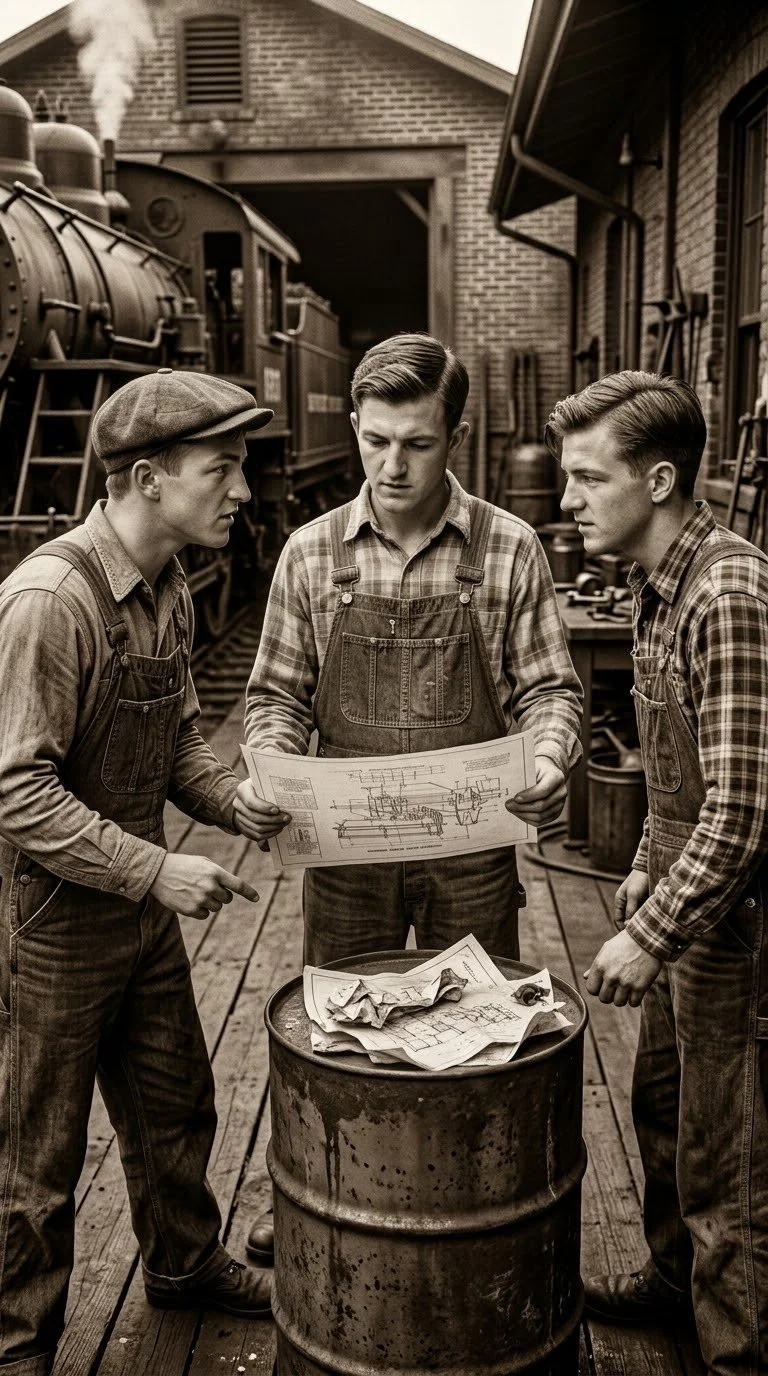
In 1937, three brothers on a farm near Homewood, Manitoba decided to build a helicopter. Nobody taught them how. Nobody funded them. They read Mechanics Illustrated, scavenged a truck flywheel, bought an engine for a hundred dollars, and started welding pieces together in the barn. Finally ready, they wheeled
the helicopter outdoors, and one brother dropped into the snug seat, manned the controls and took it for a test run. It lurched ahead, bumped across the field, the blades whirring overhead, the whole thing shaking and throbbing. It didn’t fly. Not that time. Not other times either. Not until December 20, 1938.
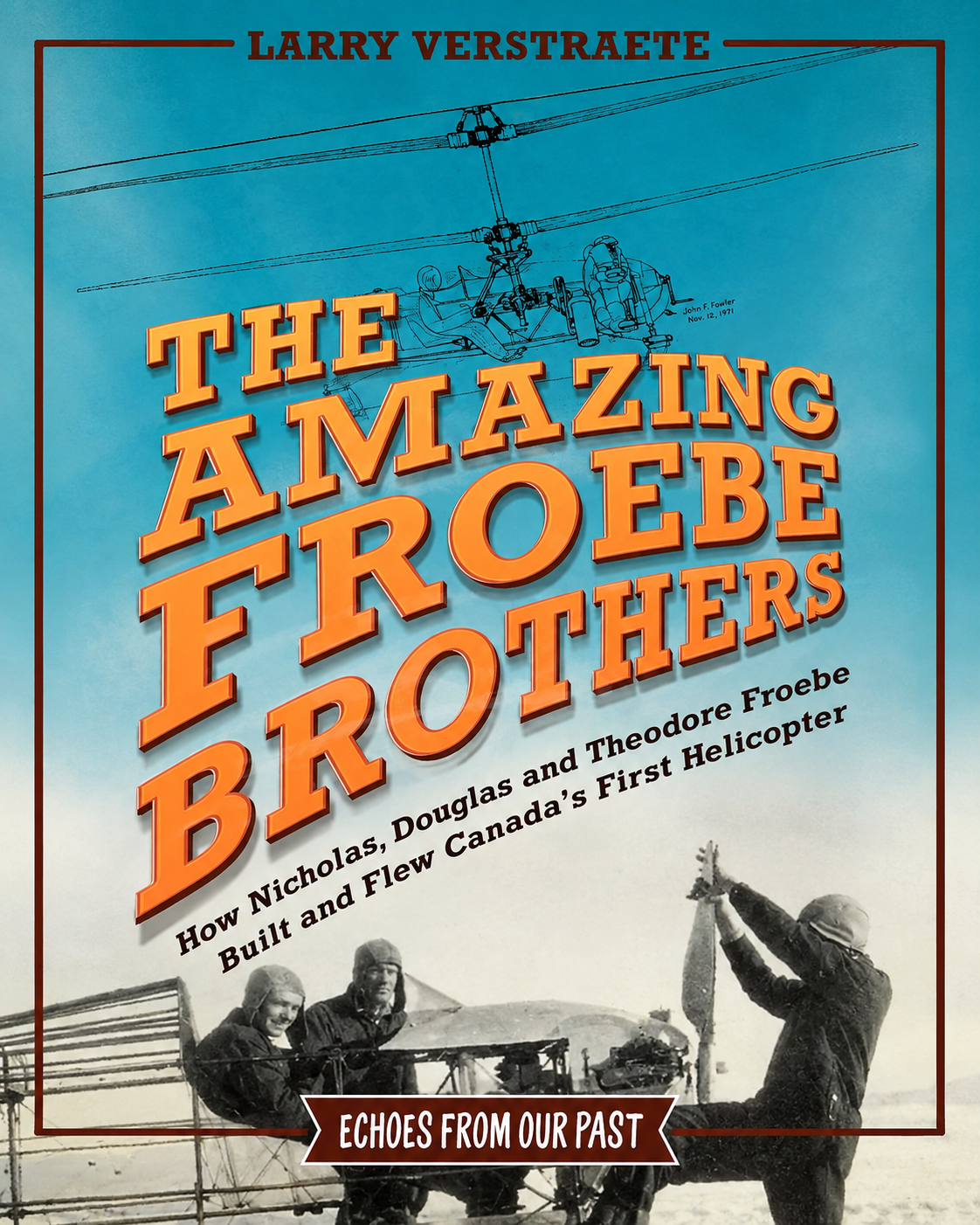
This is the story of The Amazing Froebe Brothers, the non-fiction book I’ve been working on about Nicholas, Douglas and Theodore Froebe, the three brothers who built and flew Canada’s first helicopter. One question gnaws at my writer’s soul begging for an answer, though. Is this a story for middle graders? The characters are adults, after all. They’re farmers, and the story takes place almost a century ago during the Depression. Will kids find anything to relate to in the story?
Fortunately, relatability isn’t about identity. The age, background and time-period aren’t as important as the situation. Embedded in the story of three Depression-era farm brothers is a struggle - the struggle of trying something new, of facing risk and impossible odds, of climbing aboard a rickety, unstable, whirling machine to fly it when every other attempt ended in failure. Now, that’s a story middle grade kids can really dig into.
Middle grade kids are at the stage where they are beginning to notice that the adult world is flawed. They have questions, big and important questions about poverty, justice, fairness and human rights. But they don’t have real autonomy yet. They’re still figuring where they fit socially and wonder why adults seem oblivious to the issues that seem so obvious to them.
Good middle grade stories – fiction or nonfiction – revolve around these pressure points. A true story about three brothers struggling against convention, working with limited resources, enduring failure and then rising above it, is in their middle grade wheelhouse. So is, I hope, my other work in progress. It’s a fictional story about two orphan brothers racing against time, fighting obstacles they must overcome so they can find a permanent home.
Both stories have hints of moral complexity, and the questions they ask are big ones. For the Froebe brothers, the cost of ambition is at the heart of the story. Is it okay to pursue a goal so large it swallows every other part of your life – your safety, your livelihood, your family’s patience? Is climbing into an unstable flying machine brave or reckless, and does it matter as long as it works?
My fictional orphan brothers raise a different set of questions. Does running from your troubles ever actually solve them? Is it okay to bend the rules or lie by omission if the alternative is losing the one thing you’re trying to protect?
Neither set of questions has a clean answer. That's exactly the point — and these are exactly the kind of questions that keeps a middle grade reader, particularly an upper middle grade reader from 11 to 13 years of age, turning pages.
On December 20, 1938, the Froebe brothers wheeled their machine out of the barn on more time. The engine caught. The blades spun. And for a few seconds, despite every failure that came before it, the thing left the ground. That’s the moment I keep coming back to – not because it is triumphant, but because it only has meaning when set against the backdrop of numerous setbacks.
If you're looking for that kind of story – one with moral complexity and difficult questions - here are a few books I’d recommend.
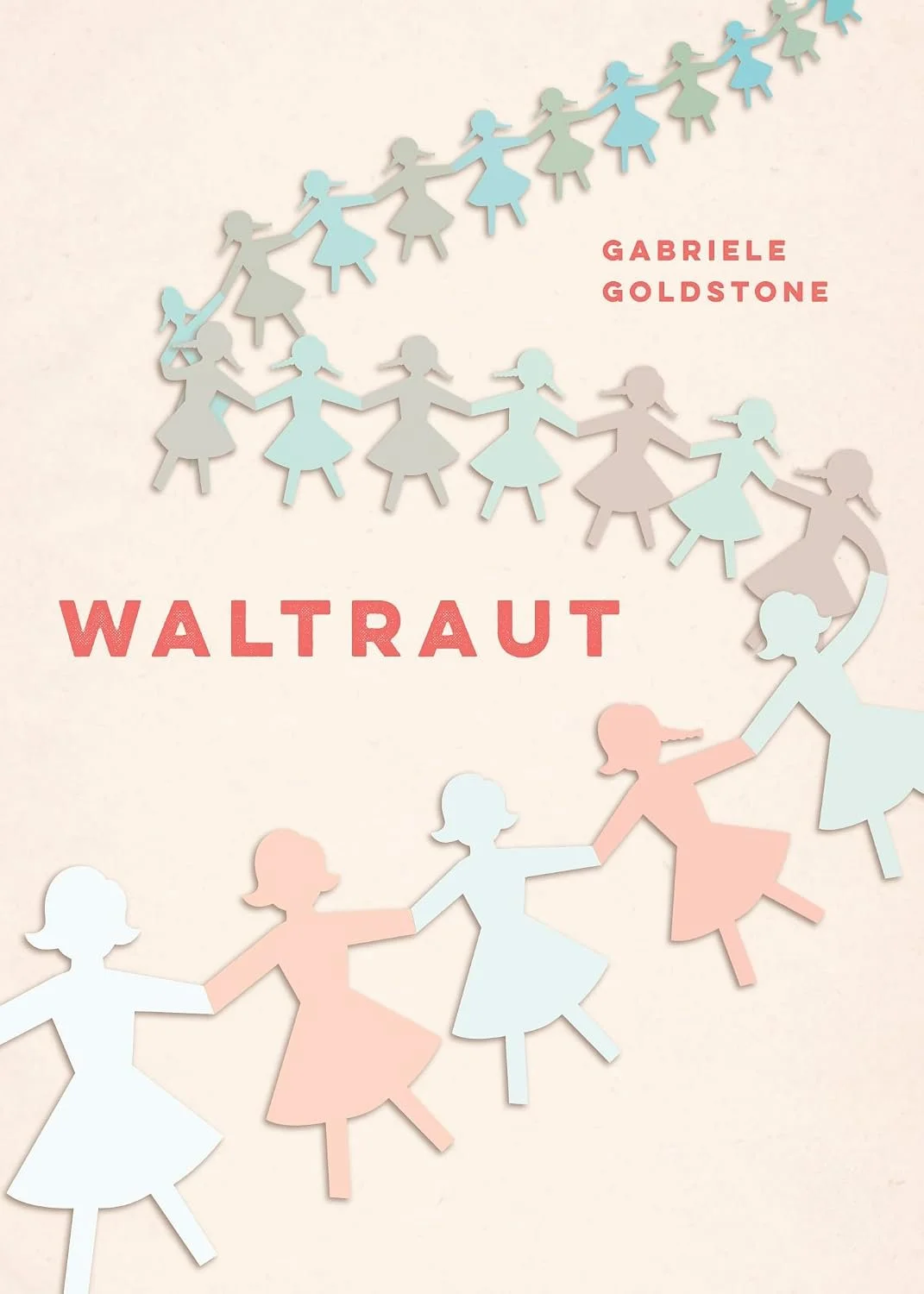
Waltraut by Gabriele Goldstone - a German-Canadian girl struggles to belong in the years after the Second World War. Faced with prejudice, she must decide how much of herself she will hide to fit in. The story raises questions about belonging, identity and whether we can be held responsible for the history of those who came before us.
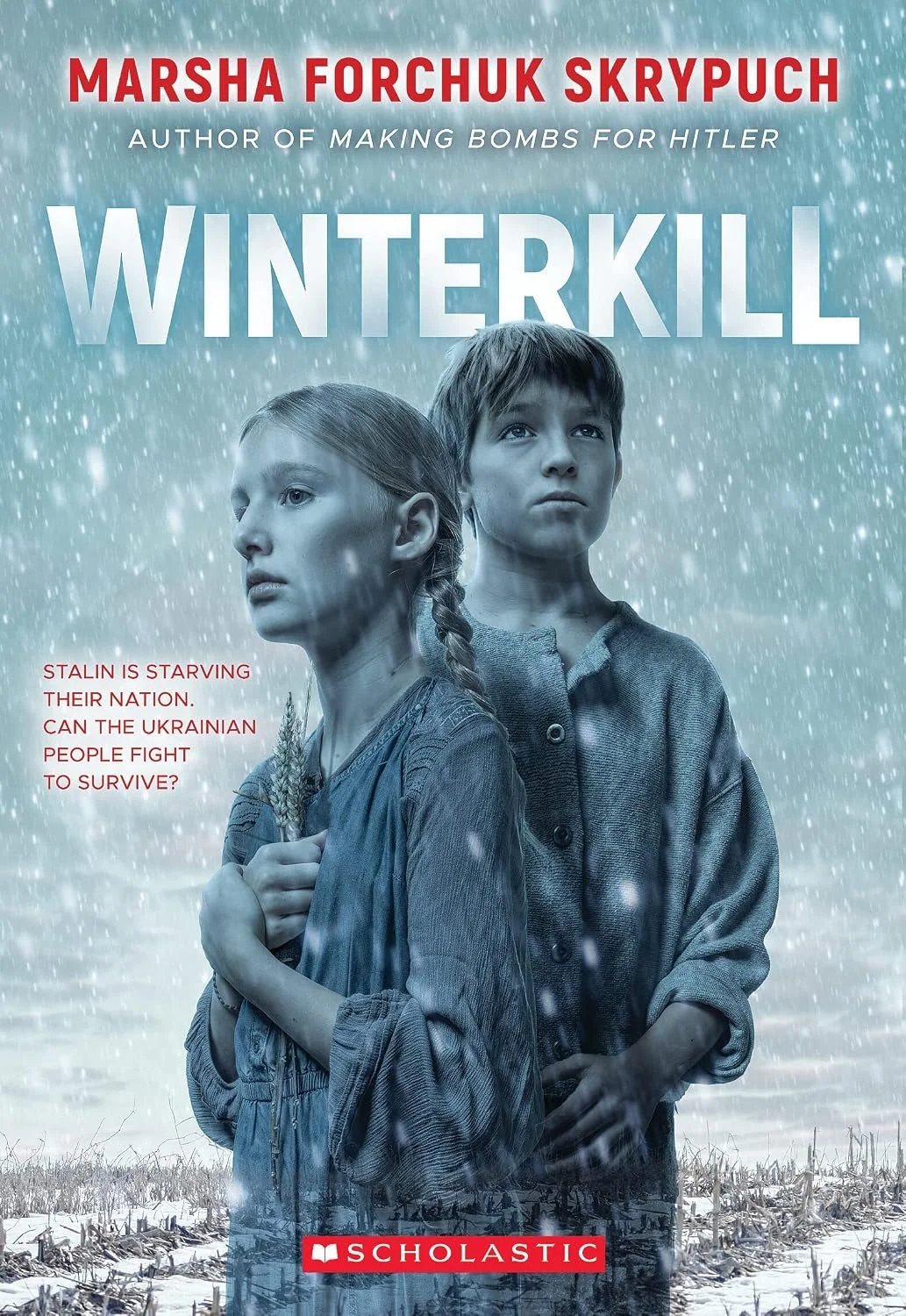
Winterkill by Marsha Forchuk Skrypuch — set during the 1930s Holodomor in Ukraine. To save their community from starvation, two kids devise a plan. The book steers into questions about complicity, silence and who gets sacrificed for whom under Soviet rule.
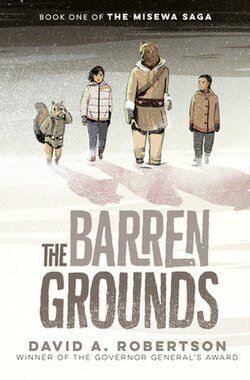
The Barren Grounds by David A. Robertson — two Indigenous foster kids cross into a parallel world where their choices to help or hoard resources have consequences for a community that is not their own.
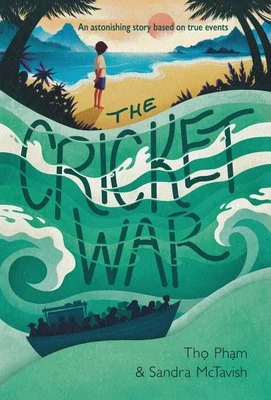
The Cricket War by Thọ Phạm and Sandra McTavish – a historical novel loosely based on Thọ Phạm's own experience as a 12-year-old boy who survived a harrowing journey as one of the Vietnamese Boat People in the 1980s. For upper middle grade, the book asks questions such as: what does a family owe a child, and what does a child owe a family? Is disappearing without saying goodbye a betrayal or a kindness?