His Side, My Side
Hello Friends,
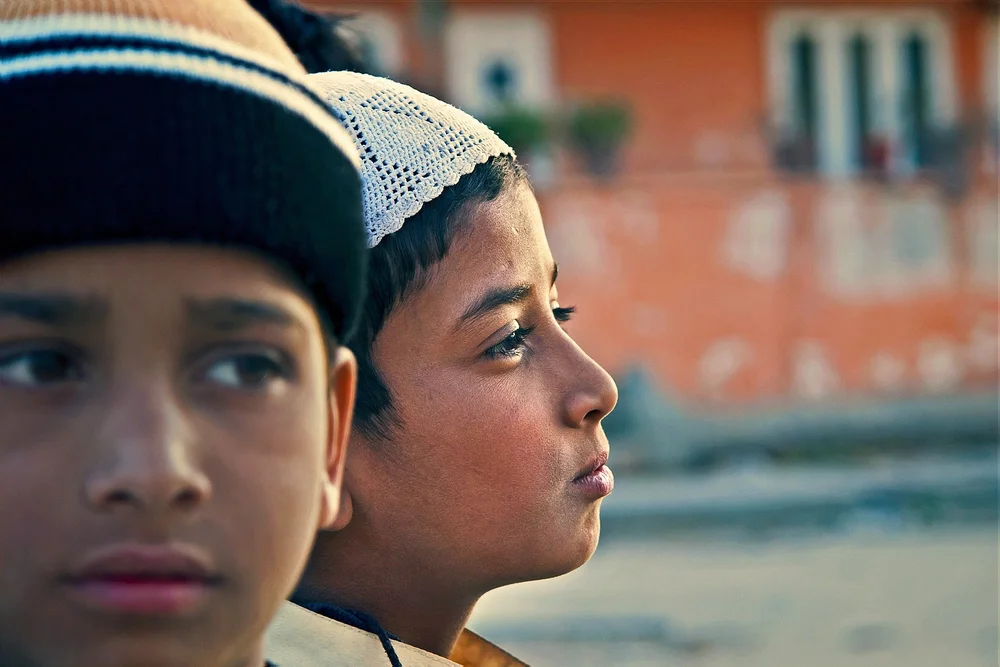
When I was a teenager, I shared a small bedroom with my younger brother. Mostly we got along, but there were moments when our relationship was – to put it tactfully - ‘strained’. We squabbled over little things, but most of our arguments centered around the all-important matter of stuff. I was Felix Ungar, the neat freak and responsible one from The Odd Couple. He was Oscar Madison, the messy and disorganized character. I hung up my clothes; he threw them on the floor. I made my bed; he didn’t. I put my trash in the wastebasket; he…
You get the picture. His ‘stuff’ was everywhere, an irritation that rubbed me the wrong way. In the end, after much confrontation, we drew an imaginary line down the middle of the room - his side, my side - and agreed not to infiltrate each other’s territory.
Siblings. Anyone with a sibling has a story to tell. Unlike friendships, siblings come pre-loaded with something other pairings must build from scratch: history. Whatever a kid feels — fury, devotion, jealousy, loyalty — tends to come out unfiltered. There's no need to watch your words or manage the relationship the way you might with a friend you're afraid of losing.
Which is why sibling relationships are a common theme for middle graders. Researchers who study sibling bonds have found that kids express feelings toward siblings with an intensity and honesty they don't extend to peers. Kids understand the flashpoints of emotion that can lead to a fiery meltdown, because they've lived them. Unlike strangers who need a reason to stay together past the first disagreement, siblings don’t. They already share a past, with all its complications, and a set of grudges and loyalties nobody must explain.
For a writer, you get to skip all the preliminaries and go straight to the good part - what happens when that history gets tested. Right now, I have two writing projects on the go. One is non-fiction – a true story about three brothers on a quest to build something new and remarkable. The other is a middle grade novel about two orphan brothers on a search for a home. The plots are completely different, but both share a common structure – siblings, a goal, struggles, dire circumstances where things go wrong, and then finally, success.
The non-fiction book follows brothers who have little but each other. Whatever they figure out, they figure out together. Their relationship is based on trust and teamwork, on recognizing each other’s talents, and on the stubborn refusal to quit even when things go awry. Ultimately, it’s a story about pursuing a shared dream and conquering adversities that stand in the way.
My work-in-progress novel covers different ground, but the through-line is similar. Two orphan brothers, no home, and no one coming to fix it for them. The older brother is forced to care for the younger one while dodging danger and taking risks that will eventually impact both. It’s a story about trust in the face of peril.
Neither story works without the sibling bond doing the heavy lifting. Take one brother out of either story and you don't just lose a character — you lose the mechanism that drives the story. The central question isn't only "will they succeed." It's "will they succeed together".
That doubling is what pulled me into this topic in the first place. Once I noticed it in my own work, I started seeing it everywhere in middle grade fiction. With school starting soon, and teachers and librarians stocking bookshelves, here are 3 middle years books with sibling themes that are worthy of consideration:
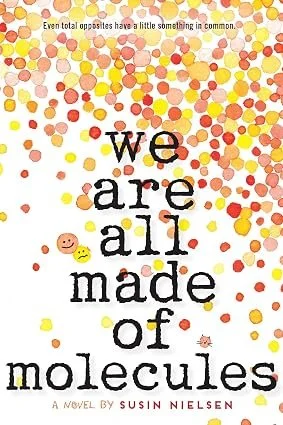


We Are All Made of Molecules by Susin Nielsen — even though Stewart and Ashley are new stepsiblings with mutual distain for each other, they slowly, reluctantly, come to understand and depend on each other, forging a sense of loyalty without losing their individuality.
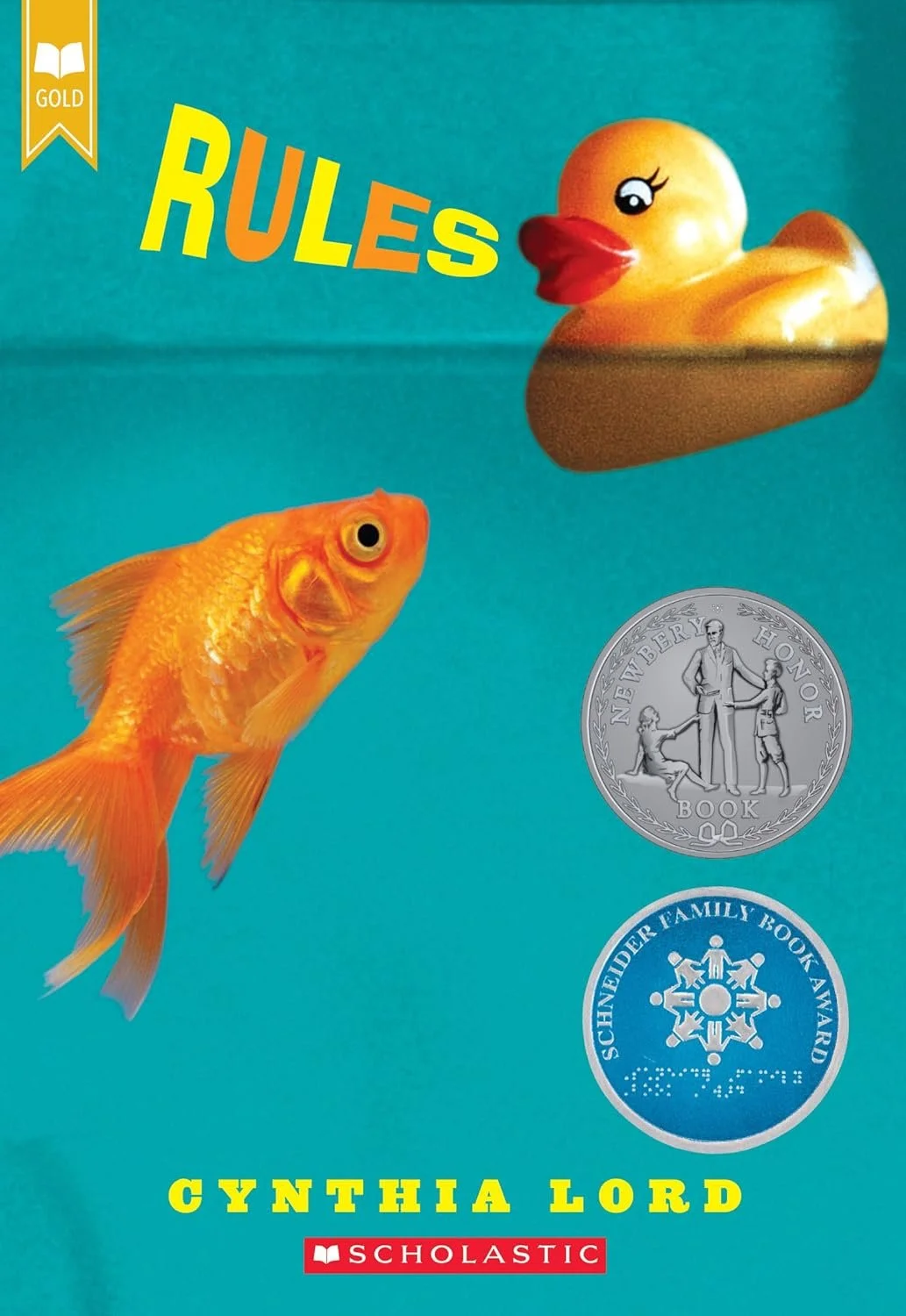
Rules by Cynthia Lord — Catherine loves her autistic younger brother David fiercely, but she's also embarrassed by him in public and resentful of how much of her childhood revolves around him. The novel lets both feelings — love and resentment — sit side by side, which is exactly what makes it feel true to kids living a version of it themselves.
Wonder by R.J. Palacio (Via's chapters) — Via loves her brother Auggie completely, but she also grieves the version of childhood she didn't get because the family's attention was always on him. That guilt-for-resenting-him loop is very real for kids with a sibling who needs more care.
So, if you're stocking shelves this fall, keep an eye out for sibling stories – ones where a sibling relationship isn't background noise but the whole engine fueling the story. Whether it's two brothers with an imaginary line down the middle of a bedroom, or two kids with no adult coming to save them, the pull is the same: we want to know if they'll make it. Not alone. Together.
Next month, I'll finally tell you who my three brothers were — and what, against every reasonable expectation, they actually built.
Sibling Relationships in Middle Grade Literature
Calling all teachers, librarians, parents, grandparents, and caregivers — I'd love your recommendations! I'm looking for middle grade books, fiction or nonfiction, centered on sibling relationships. Which one hooked both you and the kid in your life so much neither of you wanted to put it down?
Note:
If you haven’t yet, consider joining my mailing list. You’ll get an email each time a new issue of Behind the Books is released on this website. You can expect reflections on writing fiction and nonfiction for young readers, background stories behind my books, and recommendations for books worth passing on. I also share the kinds of classroom and reading connections that don’t fit easily into social media posts.
This is not a marketing blast. I won’t flood your inbox. Expect an email once or twice a month. I’ll only send it when I have something that is worth your time to read.