Justice for Rick
On fan mail, honest feedback, and the characters we leave behind
June 1, 2026
Hello friends,
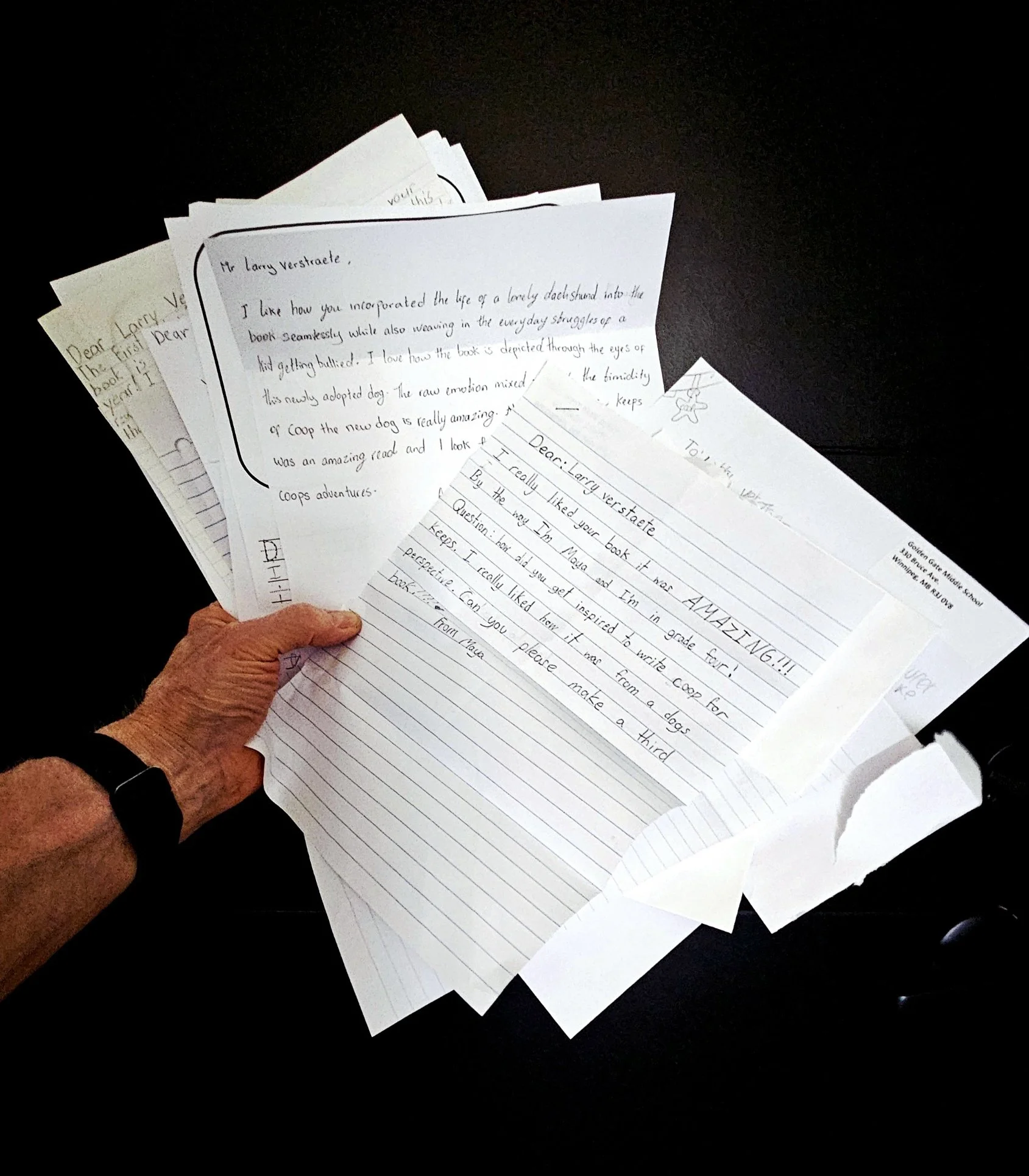
A bundle arrived in the mail. Inside the manila envelope, fifteen fan letters from grade 4-7 students from different schools. Coop for Keeps was the MYRCA pick of the year for the Sundog group and these young readers wanted to share their thoughts with me.
Kids are brutally honest. Unlike adults who praise what a book is – ambitious, well-plotted, peopled with realistic characters – kids report how a book affects them. While adults judge craft and use abstract language, kids are drawn into the feelings a book brings and use concrete terms to describe them.
A few examples plucked from the bundle:
“I couldn’t put the book down,” one grade 4 student wrote.
“I like the way Dylan gave the comic books back to Zach at the end. That was a nice touch,” said another.
“The crows were my favourite. I didn’t expect to like them so much,” said a third.
For a writer, these comments are pure gold. Not just because, in this case at least, the comments are complementary (who doesn’t have an ego that needs stroking?). They’re gold because they contain hidden messages that reflect on the writer’s craft. Decoded, the comments provide the writer with valuable information about what worked, what didn’t and how to write better next time.
The same examples as above, interpreted by the writer …
I couldn’t put the book down… The stakes were high and the pacing was dead on. Every scene propelled the book forward. Questions were asked and answered.
I like the way Dylan gave the comic books back to Zach at the end. That was a nice touch… I was invested in the characters, in their actions and the outcomes. You made them seem real to me, and I cared about them.
The crows were my favourite. I didn’t expect to like them so much … You built a few surprises into the story. My feelings turned in a way I didn’t expect.
Other feedback, even that of a negative nature, can be pure gold to the writer who is eager to improve.
It was too long at the beginning… You jumped into the story too soon. The real beginning came a few pages later. The earlier part was just filler.
I only finished the book because I had to … I didn’t care enough about what was happening to the characters to stay. You lost me midway.
I thought the book was going to be about something else … You started the book one way, then veered in a different direction I didn’t see coming. You led me astray with false promises.
Feedback comes in many forms. When I visited a grade 5/6 classroom recently, one student asked if I was going to write a third Coop book, a sequel to Coop the Great and Coop for Keeps.
“Would you like that?” I asked.
“Yeah,” she said, smiling. “I’d read it for sure.”
A chorus of murmurs filled the room. Heads nodded. Apparently, others agreed.
“Well, if I was to write a third book, what would it be about?” I asked.
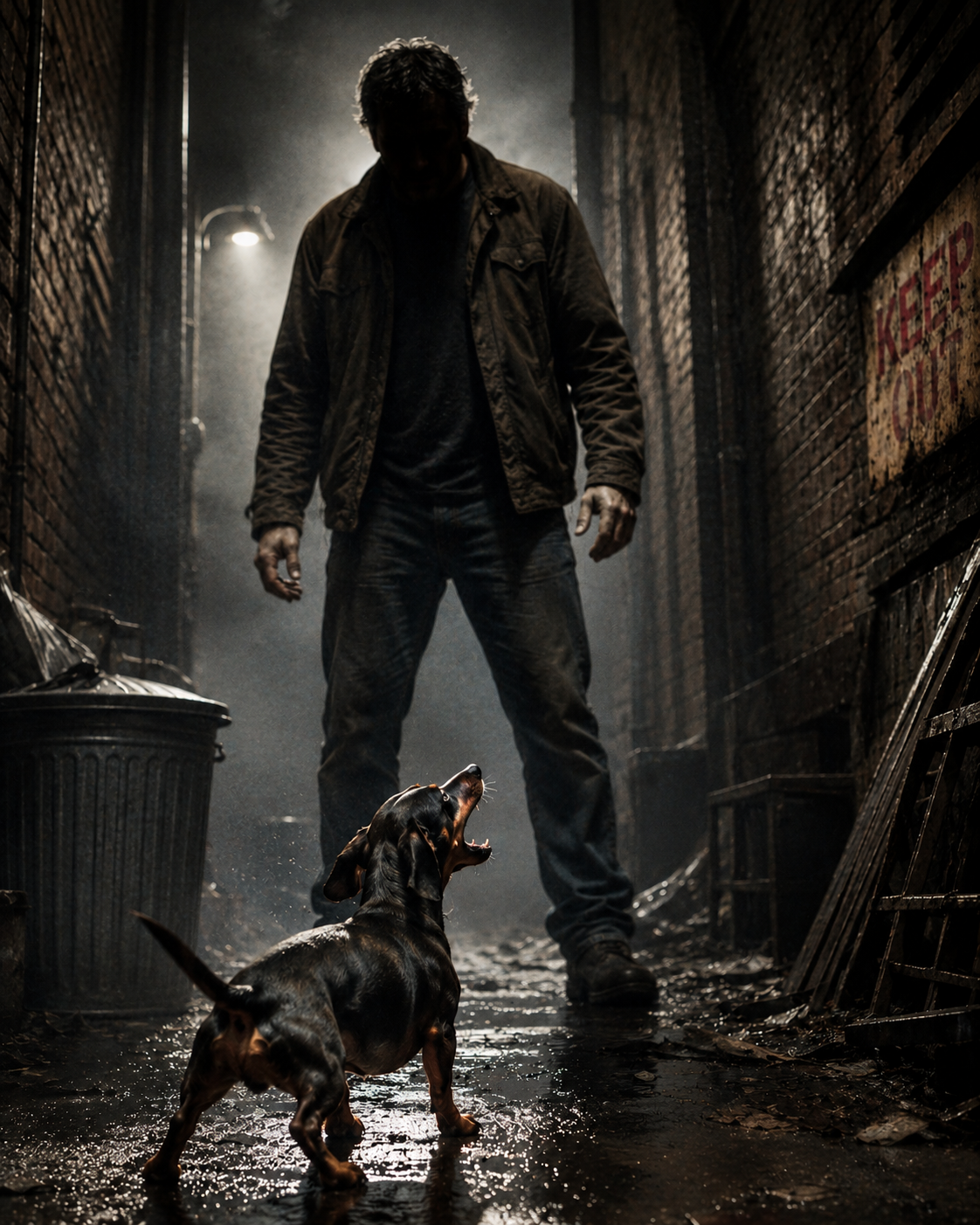
Hands shot up. Ideas spilled forward. One student wanted Rick to make an appearance. Rick was a major player in Coop the Great who was mean to his son Zach, his wife Jess, and Coop as well. More to the point, the student wanted Coop or Zach to settle the score, to make things right again, and not in a quiet manner either - in a big, dramatic way.
More hands shot up. Rick should go to jail and receive a lengthy sentence. Maybe, Zach could set a trap, nab the guy, make him suffer like he made others suffer. Maybe Coop could help. He’s small and his teeth are sharp. Rick wouldn’t even see him coming. Maybe….
Afterwards, I wondered about the conversation. What was behind it? Was there anything as a writer I could learn from it? It took a while to figure it out.
Kids related to Rick, but not in a good way. He was a father, and fathers are supposed to take care of their families. They are supposed to guide them, love them, play with them. Rick didn’t. He was abusive, verbally and physically. Even though the abuse occurred off-set and the kids only caught distant hints of it, they were astute enough to pick it up.
In the book, Rick disappeared before the story ended. I pulled him from the story, let him wander, losing track of Zach and Coop in the process. It was a plotting manoeuvre, a way to get rid of a troublesome character. Afterwards, the story continues. Rick and the lingering effects of the abuse on his victims are in the past, and the plot rolls on to its finish.
To the reader, it might seem that Rick has gotten away with it. He doesn’t realize the long-term harm he’s inflicted. By dismissing him, he’s free, without consequences for his actions. He might even repeat the abuse with new victims.
Did the kids want justice for Zach, Coop and Jess? For sure, but they also wanted assurances that the damage he’s inflicted wouldn’t be forgotten, and that in some way, Rick realizes the error of his ways.
Does Rick need to appear in a third book? Not necessarily. Rick doesn’t have to be present, but some acknowledgement of his abuse should be. If one of the characters mentions Rick, gives us a one-line update or shows us the lingering effects of his actions – troublesome dreams, for example - the reader will fill in the rest.
After all, readers will have been waiting a while for it.
Note:
If you haven’t yet, consider joining my mailing list below. You’ll get an email each time a new issue of Behind the Books is released on this website. You can expect reflections on writing fiction and nonfiction for young readers, background stories behind my books, and recommendations for books worth passing on. I also share the kinds of classroom and reading connections that don’t fit easily into social media posts.
This is not a marketing blast. I won’t flood your inbox. Expect an email once or twice a month. I’ll only send it when I have something that is worth your time to read.