History That Doesn’t Feel Like History
Confessions of a kid who used to fall asleep in history class
July 28, 2026
Hello friends,
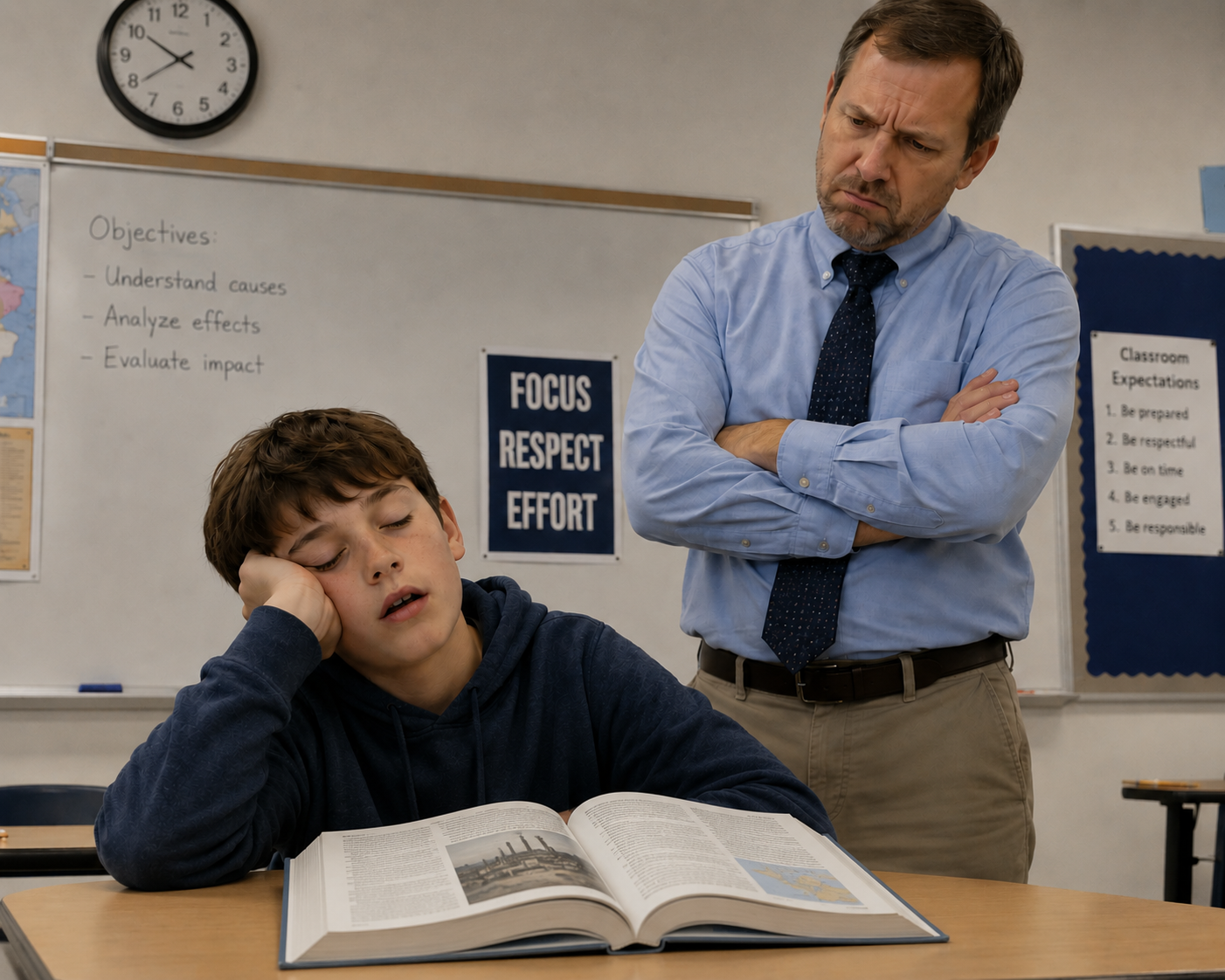
I remember the exact moment I was turned off history. I was in grade 8. Our history teacher had assigned a reading. The classroom was stuffy and quiet, and the textbook was dry and dull with facts and dates crammed into dense paragraphs.
I read every line twice, trying to absorb the information. The lines blurred. My eyes closed and I nodded off - just for a moment or so I thought.
Somewhere in the distance, a voice called my name. My eyes snapped open. I stared into my teacher’s face, saw his look of disgust, his eyebrows knitting into a frown. “Catching up on your sleep, Verstraete?” he said.
For decades, that memory has stayed with me. I blame the textbook. Or rather, I blame the writer who wrote the material. That person had taken a century of wars and betrayals and reduced it to names and dates, stripped of the people who lived it and the causes that drove them. No wonder I fell asleep — there was no one to follow, nothing to want, nothing to lose.
History doesn’t have to be written this way, not if it’s written as narrative non-fiction, a style of writing where real facts, real people, real events are woven into a true story that reads like a novel. A narrative non-fiction account has a protagonist — someone the reader can follow and cheer for. It has conflict, rising tension, and a turning point. It may even have cliffhangers, red herrings, and other literary devices. The difference is that unlike a novel, none of the information is invented. The battle happened. The betrayal happened. The person facing an impossible choice was real, and so was the choice.
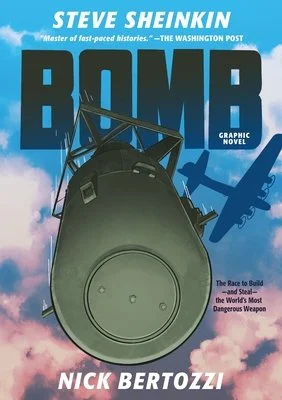
Take Steve Sheinkin's middle-grade book, Bomb: The Race to Build—and Steal—the World's Most Dangerous Weapon as an example. Sheinkin traces the making of the atomic bomb through the people who lived it — the physicists who built it, the spies who stole its secrets, the soldiers who guarded them. By immersing readers in the struggles and decisions of those involved in the Manhattan Project, he threads historical details into a gripping story.
To create his true story, Sheinkin relied on research. He consulted archival material - diaries, letters, journals, newspaper accounts, recorded interviews – everything available to him. He talked to survivors of the period, jotting notes that he referred to when writing. Vivid scenes were built from facts that he substantiates, and when he uses dialogue, Sheinkin documents the source.
Bomb reads like a novel, not a history textbook or a dry-to-the-bone nonfiction account. We care about outcomes, and characters are three-dimensional and relatable. Robert Oppenheimer, for example, is intelligent and highly capable, but also fraught with doubt and uncertainty. We feel for him, caught in the throes of decisions that will ultimately affect the entire world.
Sheinkin's method matters to me right now because I am writing a middle-grade book about a real event that was a first for Canada. I can’t divulge the subject just yet - release date is Spring 2027 – but I am writing it as narrative nonfiction. Although I’ve written short form narrative nonfiction before, working on a full-scale book is a greater challenge. I don't yet know if I can pull off the emotional intensity Sheinkin captures, but that’s the goal – finding the people inside the event, trusting the facts to tell the story.
As I write the book, the kid who nodded off in class comes to mind. He needed someone to follow, stakes that mattered and a connection to the past that felt real. I’m writing for him now. This time I hope he stays awake.
Did you have a teacher (or a book) that made history come alive for you? Who or what was it? I’d love to hear back from you.
Note:
If you haven’t yet, consider joining my mailing list. You’ll get an email each time a new issue of Behind the Books is released on this website. You can expect reflections on writing fiction and nonfiction for young readers, background stories behind my books, and recommendations for books worth passing on. I also share the kinds of classroom and reading connections that don’t fit easily into social media posts.
This is not a marketing blast. I won’t flood your inbox. Expect an email once or twice a month. I’ll only send it when I have something that is worth your time to read.